Early Childhood Development in Fiji
From $1,845/2weeks - $ 5,895/12weeks
Gain practical experience in the educational field of early childhood development.
- Durations: 1 - 12 weeks
- 35 hrs of fieldwork per week
- 1:6 participant to staff ratio
Special summer savings! Book in April to get up to 15% off selected programs!
Early Childhood Development in Fiji
Working with learners while they are in the early developmental stages lays the groundwork for future success and opens doors to opportunities they might not otherwise have. Apply your theoretical knowledge to instil foundational perspectives, teaching concepts like number sense, number development, spatial orientation, and more.
Providing educational support can significantly impact children’s lives, and your role in this program enables you to make a positive difference in the sector. As a volunteer, you’ll dive deep into the community’s needs, collaborating to achieve long-term educational and sustainability objectives.
To ensure a holistic approach, participants will also deliver short courses to caregivers communicating the importance of early childhood development and how children can be supported in their development at home.
Early childhood development
Make a direct impact on children under the age of 5 by supporting their skills development right at the beginning of their education.
Live that island lifestyle
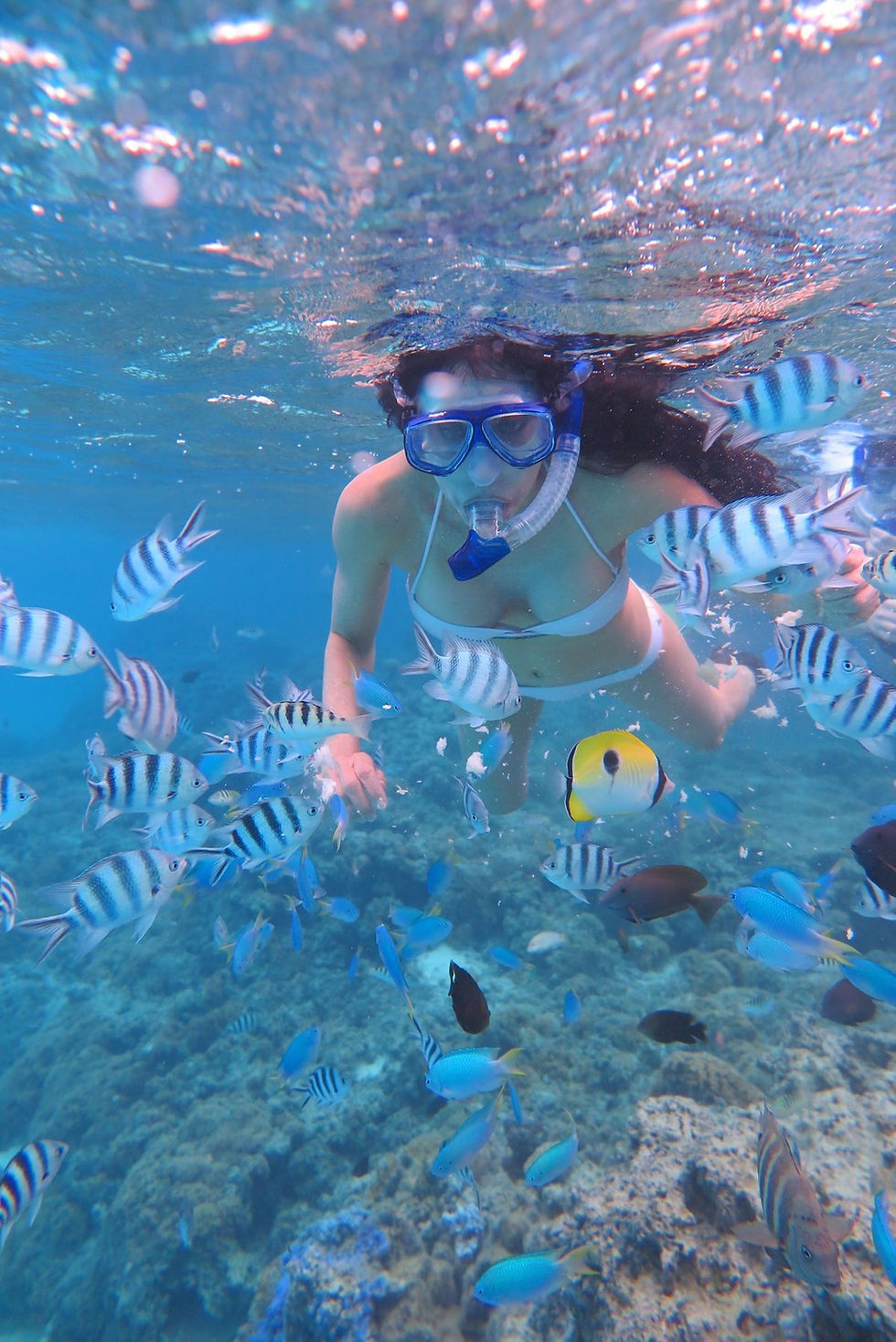
Fiji is famous for its palm-lined islands, warm hospitality and cultural heritage. Find adventure and purpose in this truly idyllic destination.
Activities
Some of the example typical activities you could participate in on this program.
Teacher training
Receive expert childcare project training: objectives, safety, local culture, and project planning and evaluation.
Early years education
Develop and deliver sessions for children under 5 that support skills development in key areas: cognitive, emotional, social and physical.
Caregiver capacity building
Deliver short courses to caregivers on the importance of early childhood development and the techniques used to support childhood development at home.
Professional development
Get crucial career-building exposure working and communicating within a diverse team and specific local context.
Personal development
Develop self-awareness, leadership, resilience and confidence, with support and advice from experienced GVI staff members.
Pursue individual passions
Use your spare time during the week to self-reflect, raise awareness on community issues on social media, or fundraise for a local project.
Free time
On the weekend, visit other islands or relax in a nearby resort. Or travel to the city of Suva, home to many historical sites and cultural activities.
Skills
- Children issues
- Children rights
- Classroom management
- Safeguarding children
- Teaching English as a second language
- Working with children
General
- Food
- Safe and basic accommodation (usually shared)
- Airport pick up (unless stated)
- All project equipment
- 24-hour in-country support from local staff
- 24-hour emergency desk
- GVI Experiences
Activities
- Sustainable project work
- Data collection and research
Pre-program training
- Pre-departure webinar
- Pre-departure training (online)
- University of Richmond endorsed specialisation course
Welcome training
- GVI welcome presentation
- Health & safety
- Local culture & environment
- UN SDGs
- Impact & ethics
- Child protection
Certificates
- Program certificate
- University certificate – specialisation (University of Richmond)
- Flights
- International and domestic airport taxes
- Medical and travel insurance
- Visa costs
- Police or background check
- Personal items and toiletries
- Additional drinks and gratuities
GVI experiences included in your program, at no extra cost.
Offered once a month, expand your adventure with GVI Experiences. These are just some of the activities offered on your program!
We want you to make the most of the chance to live in – and contribute towards – the most diverse and unique wildernesses and communities on earth. Introducing GVI Experiences – immersive adventure, cultural and wellness activities exclusive to GVI that have been specially designed in collaboration with our local partners to support and stimulate sustainable economic development.
Enhance your impact. Expand your adventure. Explore your world.
- Learn to cook iTaukei food - Feast with friends
- Make a traditional drink from kava root - A ritual cup
- Learn indigenous plant medicine - The plants will heal
- Hike to the top of Tova Peak - To the mountain
- Fish with iTaukei women - Reading the tides
- Weave a traditional mat - What weaves us together
- Visit Vatu-i-Ra Conservation Park - Living wild
- Boat to Leleuvia Island - Island myths
Joining a program not only allows you to collaborate with local communities, but also offers plenty of opportunities to explore the surrounding areas or travel further afield over weekends to see what other parts of the region have to offer.
Field staff are a great source of advice, and have helped us put together the following information on local travel options. Many decide to travel before or after their experience (subject to immigration restrictions), solidifying the lifetime friendships established on the program. Please note that the below suggestions are not included in the program fee, and are for you to organise at your own expense.
Weekend Trips
- Coral coast
There are many day activities to choose from, such as ziplining and forest walks, as well as a variety of backpackers, resorts and beautiful beaches to visit. It’s a three-hour journey by taxi, and not easy to reach by bus. Participants usually travel as a group to reduce transport costs.
- Leleuvia Island Resort
Leleuvia is a coral island with beautiful white sands which can be reached by boat in 1.5 hours. This is a popular, although costly, destination along the Moturiki passage. Local fishermen in the community can provide transfers if you would like to visit for the day, or spend the weekend there.
- Dawasamu surrounds
Go for a hike into the nearby forests, swim in the hidden freshwater waterfalls, or visit some of the black volcanic sand beaches. If you feel like a more luxurious weekend, and a place where you can do some shopping, there are hotels in Suva (the capital) that offer fully inclusive stays. Suva is roughly 3.5 hours away by bus, or 2 hours by taxi.
- Levuka
This is the old colonial capital of Fiji and a World Heritage Site – which makes for an interesting day trip. Levuka is located on the nearby Ovalau Island which is accessible by ferry and small boat.
- Historical excursions
Explore the history of this island nation by visiting the Fiji Museum in Suva, where you’ll find ancient tribal artefacts, and one of the best exhibitions on tribal art in the Pacific.
- Suva
The colourful capital city of Suva is known for its relaxed atmosphere, nightlife and farmers market. The busy port town is about 3.5 hours away by bus or 2 hours by taxi (which is more expensive). Suva has all of the modern conveniences and amenities such as bars, restaurants and cinemas, and a variety of activities to suit all interests. Take a trip to the Colo-i-Suva Forest Park which is dedicated to the preservation of Fiji’s native flora and fauna, and is a haven for local birdlife. Alternatively, you can visit Tiko’s floating restaurant, the Mariamma temple or the Sacred Heart Cathedral.
- Diving
If you have diver’s training, you can enjoy scuba-diving at the various resorts and dive sites in the region. This region is home to abundant marine life, colourful corals and steep drop offs. If you’re lucky with your dive, visibility can exceed 40 metres.
- Moon Reef dolphins
Take a short boat ride with a local fisherman to visit the famous pod of spinner dolphins that reside on Moon Reef all year round. This is a great way to meet the local community members and support their community.
Further Travels
- Shark dive
Dive with bull sharks in Beqa Lagoon, one of the world’s most famous shark diving destinations.
- Nature parks
Consider a trip to the Sigatoka Sand Dunes National Park, where you’ll find a miniature desert of rolling sand dunes, or for a more relaxing option you can visit the Coral Coast and the Kula Eco Park – Fiji’s only wildlife park.
- Adventure
From Pacific Harbour, you can join a jetski safari, or go white-water rafting on Navua River.
- Sabeto hot springs
Located midway between Lautoka and Nadi on the main island of Viti Levu, you can indulge in a day of luxury and pampering. The hot springs are believed to have healing properties, making it a great way to unwind.
- Nadi
Explore the town of Nadi, which is about five hours away. Here you will find markets, the Garden of the Sleeping Giant, beautiful beaches, resorts, nightclubs and watersports (like paddle-boarding and surfing). There are many fantastic package deals on offer. You can even go skydiving or soak up the electric atmosphere at a rugby match.
Engaging intimately with a new context teaches global awareness, adaptability and critical thinking – skills highly valued in the modern marketplace. Local and cultural immersion is encouraged on all our programs around the world, and will also be one of the most enjoyable aspects of your experience. Luckily, there are many different activities that you can get involved in during your free time, or before and after your program.
On our community programs, the focus is on cultural topics, while on marine or wildlife programs the emphasis is more on the environmental element. Use your evenings and weekends to explore topics like local cuisine and religion, or how sustainable development challenges are affecting local contexts.
- The local community
Fijians are some of the friendliest people in the world, provided you respect their traditions and customs. The local community is typically warm and eager to welcome visitors. Doing so provides you with fascinating insight into traditional Fijian lifestyle and will add another layer of depth to your time on a GVI program.
- Spirituality and religion
Christianity is the dominant religion practiced in Fiji, followed by Hinduism and Islam. Prior to the nineteenth century, indigenous Fjians practiced various traditional religions such as animism and shamanism. While Christianity gained widespread popularity after the colonisation of Fiji, so did the popularity of other religions like Hinduism, Sikhism, and Islam, with the arrival of workers from India. Fiji acknowledges the holy days celebrated by people from a range of religions, including Easter, Christmas, Diwali and Eid al-Adha.
- Local handcrafts
Fiji has a thriving souvenir industry. Local artists produce various intricately carved wooden items.
- Cooking
The national dish of Fiji is Kokoda, which is a combination of fresh fish, pickled in lemon juice. Coconut milk is then added, along with tomatoes and chillies. The dish is seasoned with salt and served as a starter. A large part of Fijian cuisine features fish and seafood, along with the staples of taro root, cassava, kumala sweet potato and breadfruit.
- Festivals
There are festivals throughout the year, the most notable being Fiji Day, celebrating Fiji’s independence. This is celebrated in October with a week of religious and cultural ceremonies.
- Languages
Fiji has three official languages: English, Fijian and Fiji Hindi. Fijian is spoken as the first language by most indigenous Fijians while Indo-Fijians mainly speak the local variant of Hindi, known as Fiji Hindi. English is widely spoken and used in government, business and education. A small number of other indigenous West Fijian and East Fijian regional languages are spoken on the islands.
When it comes to support, we ensure that each participant is provided with unparalleled, 360 degree support, from your initial contact with the GVI Family, all the way through your program, and even after, as you become part of the GVI Alumni Team.
As part of this promise, we will ensure, whenever possible, that one of our dedicated staff will be available to meet you at the airport. In most locations, we also set up a Whatsapp group to help with managing airport arrivals.
We will arrange with you prior to your departure that, should you arrive in the agreed upon pick up window, a member of our staff will be there to welcome you, easily identifiable in a GVI t-shirt or holding a GVI sign and wearing a friendly smile.
This means there will be someone there to greet you as you land, and from there you will be transported to your GVI base to start your adventure and meet the rest of your team.
- No entertainment-based activities
We don’t support the use of wild animals for entertainment purposes. This includes riding animals, having them perform tricks, feeding or bathing them or getting close to them to take photos
- No orphaned animal sanctuaries
We don’t encourage, support or allow the rearing of “orphaned” wild baby animals kept at a “sanctuary”. The conservation value of these types of programs is negligent and would only ethically be used in extremely rare cases
- Guidelines for touching or movement restriction
When wild animals are restricted for conservation purposes we follow the guidelines of Fair Trade in Tourism South Africa (FTTSA), approved by the Global Sustainable Tourism Council.
- Animal welfare guidelines
We ensure that the Five Freedoms of Animal Welfare are followed. These include the freedom to express normal behaviour and freedom from distress, discomfort, hunger, thirst, fear, pain, injury or disease.
- Local community empowerment
We ensure that conservation efforts are also always locally led, that community needs are front-and centre of any conservation effort and that our participants, projects and partners work to increase local community engagement in local conservation efforts.
- No veterinary programs
We don’t offer any veterinary programs or animal rescue and rehabilitation programs. We don’t allow participants to do any work they would not be able to do in their home country.
- No orphanage programs
We don’t support or allow participants to work in institutional residential care facilities, also known as orphanages. We partner with ReThink Orphanages and Freedom United.
- Child and vulnerable adult protection policy
Our Child and Vulnerable Adult Protection Policy requires all our staff and participants to complete a criminal background check and to learn why you shouldn’t reveal a child’s identifying factors in photographs. We support the ChildSafe Movement.
- No medical volunteering
We don’t offer any programs where our participants engage in medical treatment. This is because our participants aren’t typically qualified to do this work and would therefore not be able to do this work in their home country. Our participants only assist with public health programs.
- No disability support programs
We don’t offer any programs where our participants work directly with people with disabilities. This is because our participants aren’t typically qualified to do this work and would therefore not be able to do this work in their home country.
The following itinerary is an example of the activities and project work that participants might get involved in on this program. More specific details of the program are finalised several months before each start date.
06:30 Start your day bright and early! If you’re an early riser, take a walk to the beach and enjoy the views.
07:00 Make yourself breakfast before the daily update, where we share important details about the work day ahead.
08:00 Start project work. This might include early childhood development, public health or waste management.
12:00 Lunch is enjoyed as a group. Meals are typically pre-packed sandwiches, noodles or rice dishes.
13:00 Continue afternoon project work, focusing on early childhood development, public health or waste management.
16:30 Depending on the day and schedule, assist with base duties, help prepare dinner or enjoy free time.
17:00 Enjoy a meal together. After dinner, reflect on the work you did that day and its impact on the environment.
18:00 Time to relax! Make use of the common areas to spend time with your new friends, play a game or do some studying.